Human-Centered Storytelling
6-Year Impact
A long-term communications approach designed to make the Human Rights Defender’s work more human, accessible and relevant by showing how institutional interventions translated into tangible change in people’s lives.
Overview
—A long-term communications approach designed to make the Human Rights Defender’s work more human, accessible and relevant by showing how institutional interventions translated into tangible change in people’s lives.
Role & Team
—Led the end-to-end storytelling process — identifying and selecting compelling cases, shaping their narrative and positioning, and overseeing filming, editing and final production.
Campaign Challenge
—The Defender’s work often involved complex institutional processes, while its real impact on people’s lives remained less visible through traditional institutional communication.
The challenge was to move beyond formal reporting and show how the Defender’s work translated into tangible change in people’s lives.
Strategic Approach
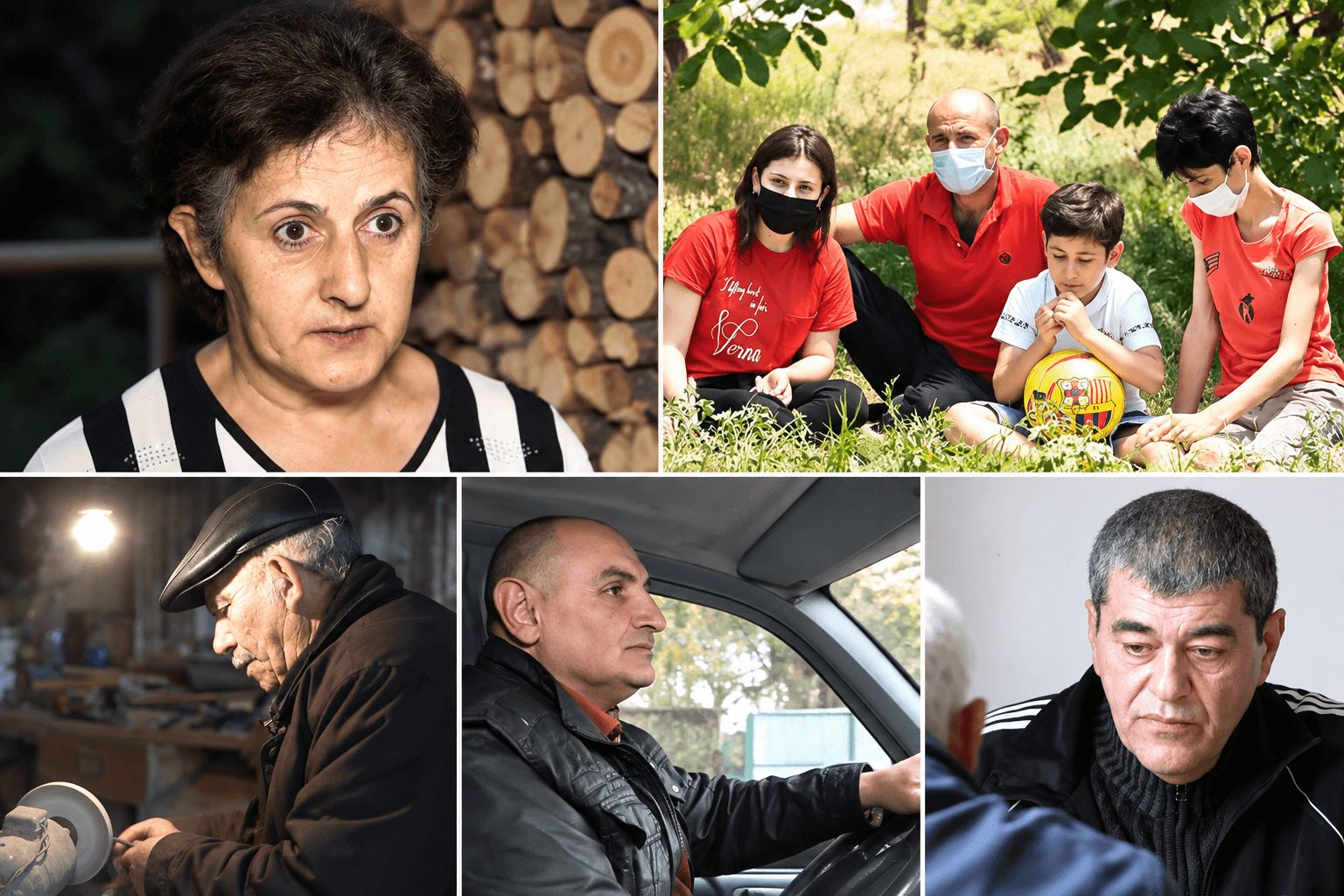
—We introduced a human-centered storytelling approach, transforming real cases and successful interventions into accessible stories focused on people and outcomes.
Find the Human Story
Compelling cases were identified and selected based on their ability to show the real-life impact of the Defender’s work.
Shift the Focus from Process to Outcome
Instead of communicating only what the institution had done, the stories showed who had been helped, what problem had been resolved and what changed as a result.
Turn Cases into Accessible Stories
Each case was shaped into a clear human-centered narrative and developed through filming, editing and final production for public communication.
Impact
—Over six years, public trust in the Human Rights Defender institution increased from 29% to 81%, according to Caucasus Barometer data. IRI public opinion research also placed the Human Rights Defender highest among state institutions in terms of public satisfaction with its work.
At the same time, the annual number of complaints and requests addressed to the institution increased from 5,113 to 21,181 — a 4.1× increase — reflecting a growing willingness among people to turn to the Defender for support.
These results reflect a broader institutional effort, with the communications transformation helping make the Defender’s work more human, accessible and relevant to the public.
These indicators reflect the institution’s overall performance during this period and are not attributed to communications or storytelling alone.